
What Really Happens When an Architect Starts Designing a New Home?
Hanna-Loore Õunpuu, architect of Aedlinna Kodud from Helodes OÜ, shares how the Aedlinna Kodud project at Meloni 18 truly came to life—from the very first emotional response on the site to the detailed solutions of the attic floor.
1. What inspired you most when designing the architecture of Aedlinna Kodud?
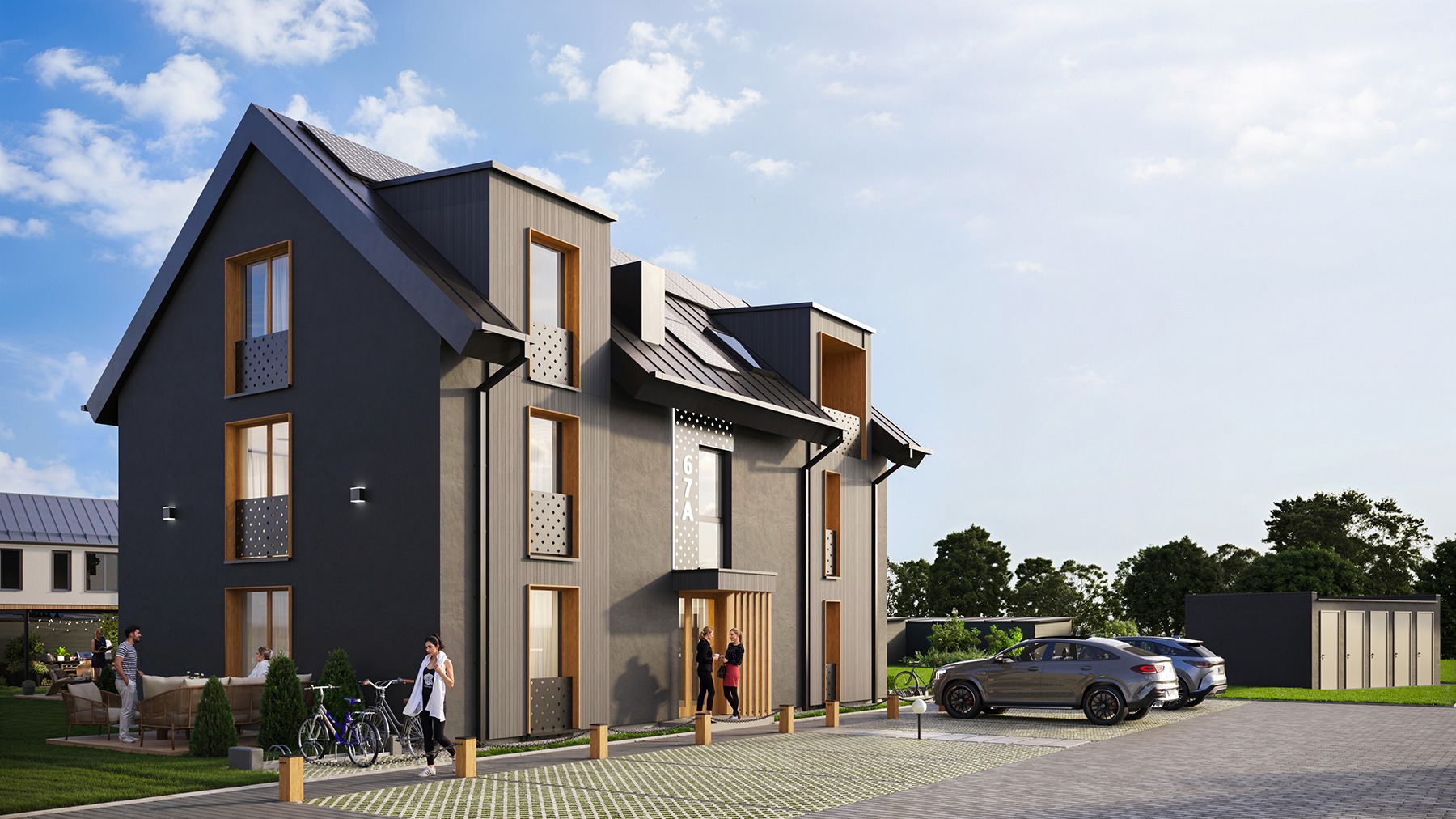
The greatest inspiration came from the environment where these homes are located—the cosy spatial character of Supilinn and the warm feeling the area creates. The goal was for the new apartment building to feel equally warm, inviting, and well integrated into its surroundings.
2. What does the process of designing a new home generally look like?
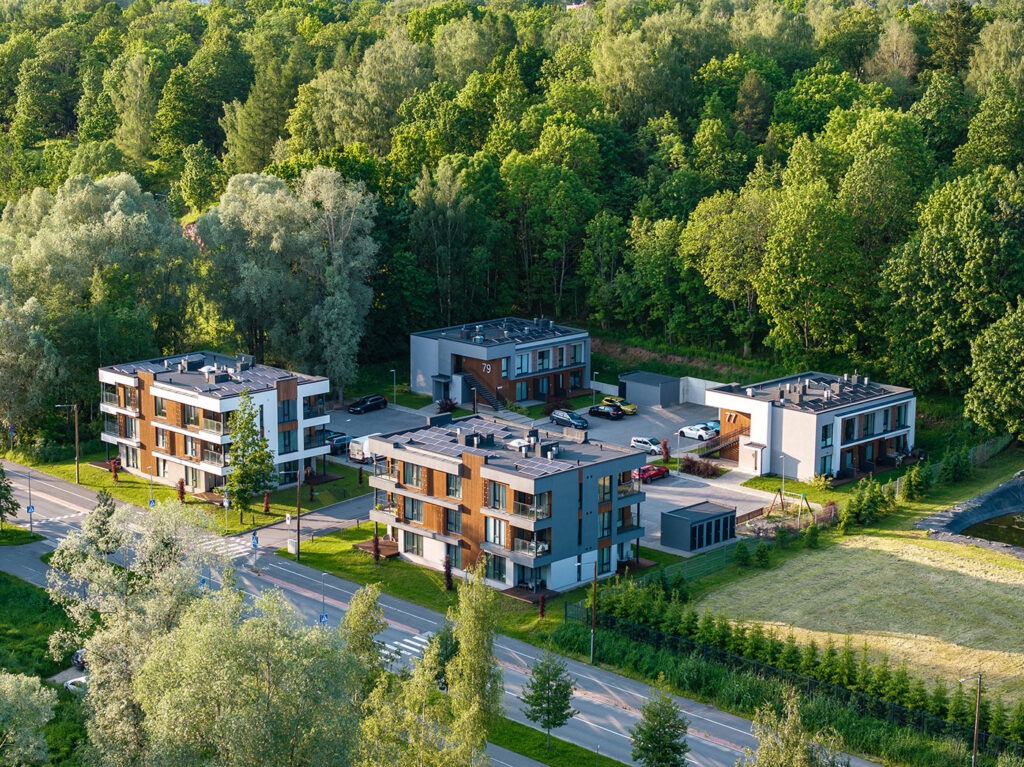
Every project begins with the “big picture,” namely the site plan—how the building is positioned on the plot, where entrances are located, and how the outdoor space is formed. This is important because it also defines the building’s orientation in relation to the cardinal directions and the movement of the sun.
The aim is always to bring as much natural sunlight as possible into each apartment, creating a cosy sense of home. From there, room layouts are developed with sun orientation in mind. Step by step, the design becomes more refined, down to the smallest details inside the apartments and around the building. The goal is always to combine usability and practicality with visual enjoyment.
3. Who are Aedlinna Kodud designed for?
Aedlinna Kodud is ideal for someone who values peace and wants to enjoy comforts often associated with a private house—such as a private courtyard, few neighbours, and a strong sense of home—without giving up proximity to Tartu city centre or the simplicity of apartment living. The architecture is contemporary while respecting history and the surrounding environment, and I imagine the future homeowner to share these same values.
4. What was your first impression of the site? What stood out or felt most challenging?
Arriving at the Meloni 18 site, my immediate thought was that this would be a lovely place to live. The space felt inspiring due to its greenery and calm atmosphere. The main challenge was ensuring that the new building and its outdoor areas relate well to the neighbouring buildings, some of which are smaller in scale. The aim was to avoid causing disturbances while enhancing the environment. I believe we arrived at a solution that enriches the area.
5. What was the most challenging aspect of designing the building?
There were no extremely difficult moments, but buildings with an attic floor always require special attention when designing the top level. Planning spaces under a pitched roof is more challenging than with standard vertical walls. However, in this case, the pitched roof has both practical and contextual value and allows us to maximize the number of people who can enjoy living in this beautiful location.
6. Which details were your personal favourites and why?
One of the most important details for me is the use of materials, especially the timber cladding. Wood gives the building a warm character. In this project, we use recessed elements in the cladding of the main facade, adding depth and detail. This allows people to discover new nuances as they approach the building, creating a human-scale architecture that reveals more than what is seen at first glance or in passing.
7. What kind of feeling or experience should residents have when living here?
The key words for this building are freshness, human-centred design, and a sense of warmth and home.
8. Did natural light play an important role in the design?
Absolutely. Natural light is essential in home design—both in shaping the building’s form and positioning it on the site, as well as when planning window sizes and room layouts. A true sense of home, in my view, is enjoying a Sunday morning coffee in sunlight.
9. If you had to choose one apartment to live in at Aedlinna Kodud, which would it be?
Although it is one of the smaller apartments and more challenging due to the attic layout, I would choose apartment no. 8. I am particularly drawn to its balcony facing the morning sun, which, being sufficiently elevated from street level, offers a wide and pleasant view.
10. Is there something about an architect’s work we didn’t ask but should know?
Because so many parties are involved in bringing a building to life, I sometimes think of architecture as a form of translation work. The architect must align their own vision with the perspectives of the client, local authorities, specialist designers, and future users—all to reach a solution that meets everyone’s expectations. The beauty of architectural work lies in carefully weaving all these nuances into a single building. It is rewarding when this collaboration results in high-quality urban space and cosy living environments.